
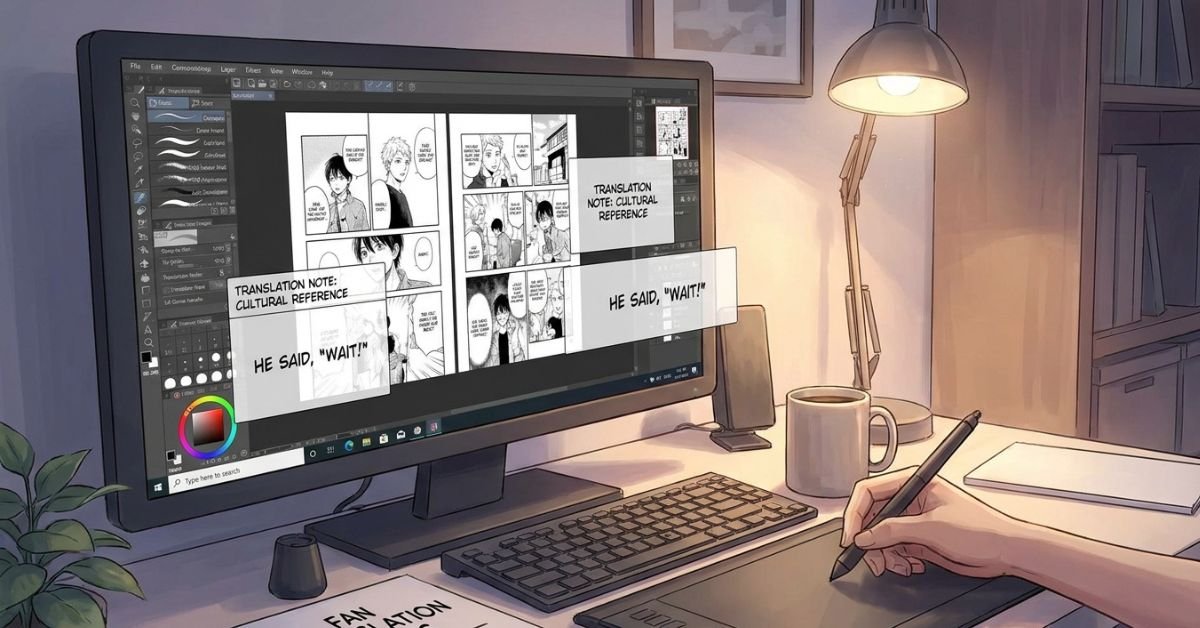

Olympus Scanlation is a volunteer-driven fan group specializing in scanlating (scanning and translating) Japanese manga, Korean manhwa, and Chinese manhua. They focus heavily on Spanish (LATAM) releases while also contributing English versions, often hosting on platforms like MangaDex.
In 2026, with manga’s global boom continuing, these community efforts still matter especially for niche or slow-to-license titles. Fans praise their clean scans, accurate translations, and commitment to quality.
This guide breaks it all down: what the group actually does, how their process works, where to find releases safely, the bigger picture around scanlation, and practical advice for readers who want great stories without headaches.
What Is Olympus Scanlation?
Olympus Scanlation operates as a community of volunteers translators, cleaners, typesetters, editors, and quality checkers who work together to bring untranslated or delayed series to international audiences.
Founded years ago, the group built a reputation for polished work on titles that official publishers haven’t picked up yet. They handle everything from popular action/fantasy series to more obscure gems. When a title gets an official license in English or Spanish, responsible groups like Olympus typically pause or redirect readers to support the licensed version.
Their work appears prominently on MangaDex, where you can follow the group directly for updates. Some releases lean toward Spanish-speaking readers, making it a go-to for LATAM fans using browser translation if needed.
Key Focus Areas:
- High-quality cleaning and typesetting for readable pages
- Culturally sensitive translations
- Steady release schedules on active projects
- Ad-free reading experiences on their linked sites or aggregators
The Scanlation Process: How Olympus Scanlation Works
Scanlation follows a structured pipeline that turns raw Japanese/Korean/Chinese pages into something fans can enjoy in their own language. Olympus Scanlation follows the standard volunteer workflow, often taking 5–8 hours per chapter depending on length and team availability.
Step-by-Step Breakdown:
- Raw Acquisition Obtain high-resolution original pages (scans or digital raws).
- Cleaning Remove Japanese text, fix artifacts, adjust contrast and quality.
- Translation Accurate rendering of dialogue, sound effects, and cultural notes.
- Typesetting Place translated text using fonts that match the art style and flow naturally.
- Editing & Proofreading Multiple passes for consistency, grammar, and visual polish.
- Quality Control (QC) Final review before release.
- Upload Publish to platforms like MangaDex with proper credits and links.
This collaborative chain keeps quality high even though no one gets paid. Burnout and volunteer turnover remain real challenges, yet dedicated teams maintain consistent output on chosen series.
Myth vs Fact
- Myth: All scanlation groups produce low-quality, machine-translated garbage. Fact: Groups like Olympus invest real effort in cleaning, accurate translation, and typesetting often rivaling or exceeding early official releases in readability.
- Myth: Scanlation groups never stop when a series gets licensed. Fact: Ethical ones, including Olympus, typically halt work and encourage official support to respect creators and publishers.
- Myth: Reading scanlations is completely risk-free. Fact: While many groups (including Olympus claims of ad-free) aim for clean experiences, third-party aggregator sites can carry ads or security risks always prefer official group links or trusted platforms like MangaDex.
Where to Read Olympus Scanlation Releases in 2026
The easiest and safest spot is MangaDex, where the Olympus Scanlation group page lists all their projects with direct chapter feeds. You can follow the group for notifications on new releases.
Their own sites (such as olympus.pages.dev or linked readers) often provide a smoother, faster reading experience with updated interfaces. Some fans report good results using browser auto-translate for Spanish chapters.
Popular or ongoing titles associated with the group include series in action, martial arts, fantasy, and drama genres check their MangaDex feed for current active projects like longer-running manhwa.
Pro Tips for Readers:
- Use MangaDex’s advanced search and group filters.
- Enable notifications or bookmark series.
- Support official releases when available many scanlation fans do both.
- Avoid random aggregator sites that repost without credits; they often come with heavy ads or poorer image quality.
The Bigger Picture: Scanlation’s Role in Manga Culture
Scanlation groups emerged because official localization takes time and money. Publishers can’t release every title in every language immediately, leaving gaps that fans fill.
Olympus Scanlation and similar teams have helped grow the global audience for manga, manhwa, and manhua by making stories accessible early. This exposure often boosts official sales later many licensed hits started with strong scanlation followings.
That said, the practice sits in a legal gray area. It involves reproducing copyrighted material without permission, which can impact creators’ earnings. Most groups operate as pure passion projects and respect licensing by stopping work on licensed titles.
Recent Context (2025–2026): Manga’s popularity keeps climbing, with more official platforms expanding Spanish and English catalogs. Yet niche genres and older series still rely on fan efforts. Volunteer groups adapt by focusing on quality and community features like reader polls for next projects.
Comparison Table: Scanlation vs Official Releases
| Aspect | Olympus Scanlation (Fan) | Official Publisher Releases | Notes |
|---|---|---|---|
| Speed | Often faster for new chapters | Slower due to licensing and production | Scanlation fills early gaps |
| Cost | Free | Paid (subscriptions or per volume) | Official supports creators |
| Quality | High (cleaning, typesetting by volunteers) | Professional editing and localization | Varies by group |
| Availability | Unlicensed or pre-license titles | Licensed series only | Scanlation covers more niches |
| Language Options | Strong Spanish (LATAM), some English | Expanding but selective | Depends on market |
| Ethics/Legality | Gray area, community-driven | Fully licensed and paid | Support official when possible |
EEAT Reinforcement: Insights from Covering Manga Communities
Having followed scanlation groups and the broader manga ecosystem for years through licensing waves, platform shifts, and community discussions one pattern stands out: the best groups treat their work as a bridge, not a replacement. Olympus Scanlation earns respect for consistent quality and relatively clean reader experiences compared to ad-heavy aggregators.
The common mistake fans make? Sticking only to scanlations and missing the improved official versions that often feature better coloring, bonus content, or creator support. Having tracked release patterns into 2026, the healthiest approach combines both using fan translations for discovery and speed, then buying official where available.
FAQs
What is Olympus Scanlation?
Olympus Scanlation is a volunteer fan group that scans, translates, and edits manga, manhwa, and manhua into Spanish (primarily LATAM) and sometimes English. They focus on titles without official releases in those languages and release chapters on platforms like MangaDex.
Is Olympus Scanlation legal?
Scanlation exists in a legal gray area because it reproduces copyrighted material without permission. Most groups, including Olympus, stop work on licensed titles and encourage official support. Readers should consider buying licensed versions when available to support creators.
Where can I read Olympus Scanlation chapters?
The most reliable place is the Olympus Scanlation group page on MangaDex. They also link to dedicated reading sites for a better experience. Avoid untrusted aggregators to minimize ads and security risks.
Does Olympus Scanlation only do Spanish translations?
They have a strong focus on Spanish for LATAM audiences but contribute English releases as well. Some related groups handle Portuguese (Brazil). Check individual chapter language tags on MangaDex.
How does the scanlation process work at Olympus?
Volunteers handle specific steps: acquiring raws, cleaning pages, translating text, typesetting, editing, and final QC. The collaborative pipeline aims for professional-looking results, though timelines depend on team availability.
Are there good alternatives to Olympus Scanlation?
Yes other respected groups exist on MangaDex depending on the series and language. For official options, check platforms expanding Spanish/English catalogs. Many fans use multiple sources for the best coverage.
Conclusion
Olympus Scanlation represents the passion, skill, and community spirit that keep fan translation alive in the manga world. From their careful workflow to steady releases on MangaDex, they help fans access stories that might otherwise stay locked behind language barriers.
