
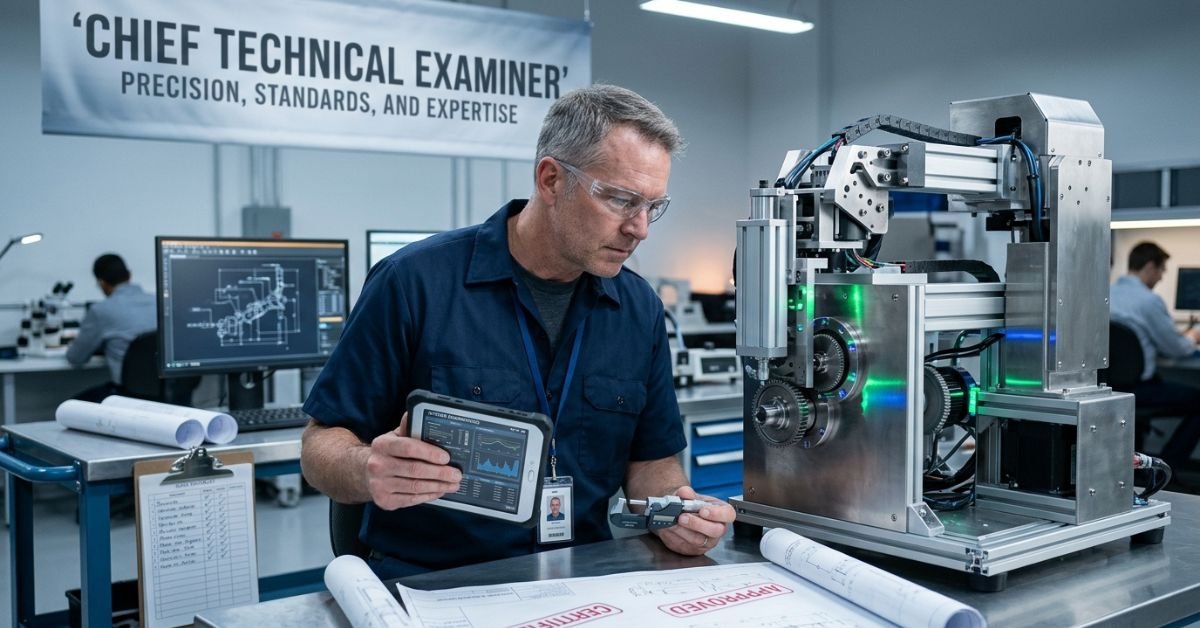

Chief Technical Examiner heads the CTE Organisation, a specialized technical wing of the Central Vigilance Commission. Appointed on deputation (typically from senior engineering cadres like CPWD, MES, or state PWDs), the CTE reports directly to the Central Vigilance Commissioner.
Their core mandate: provide impartial, expert technical oversight on public procurement and execution of works. They don’t just review paperwork they conduct intensive examinations of ongoing or completed projects, often overriding departmental assessments when needed. The goal isn’t punishment alone; it’s systemic improvement to prevent waste, delays, and malpractices.
Secondary entities tied to the role include: CVC guidelines, tender scrutiny, quality assurance in construction, contract management, vigilance investigations, works manuals, and intensive technical audits.
The CTE Organisation (CTEO) Structure and Legal Backing
The CTEO operates as an independent technical advisory body. Key hierarchy:
- Chief Technical Examiner (CTE) Overall head, often specialized in Civil or Electrical/Mechanical works.
- Technical Examiners Support staff handling specific domains (e.g., National Highways, electrical installations).
Legal framework stems from the CVC Act and related guidelines. The Commission can summon documents, witnesses, and reports. CTE findings carry significant weight in disciplinary proceedings and can trigger recoveries or corrective actions.
The organisation reviews works reported by Chief Vigilance Officers (CVOs) via quarterly progress reports. Thresholds exist for mandatory reporting of high-value projects.
Core Responsibilities: What a Chief Technical Examiner Actually Does
Day-to-day (and project-to-project) work revolves around rigorous, evidence-based scrutiny:
- Conducting intensive technical examinations of civil, electrical, mechanical, and allied works.
- Scrutinizing tender documents for restrictive clauses, bias, or unfair conditions.
- Verifying site conditions, material quality, workmanship, and compliance with specifications and IS standards.
- Checking contract award processes for transparency and competitiveness.
- Identifying overpayments, substandard execution, or procedural lapses.
- Advising the CVC and departments on technical matters and system improvements.
- Preparing reports that may lead to recoveries, penalties, or process reforms.
A typical examination includes document review, site visits, lab tests where needed, and stakeholder interactions. The CTE can access records across departments and provide binding technical opinions in vigilance cases.
Key Skills and Qualifications Needed
Most CTEs come via deputation from Group A engineering services with 15–20+ years of experience in execution, design, or quality control of large projects.
Essential expertise:
- Strong domain knowledge in civil/electrical/mechanical engineering.
- Deep understanding of contract law, CVC guidelines, GFR (General Financial Rules), and CPWD manuals.
- Analytical eye for spotting irregularities in BOQs, drawings, measurements, and payments.
- Integrity and independence the role demands impartiality.
- Communication skills to explain complex technical findings clearly in reports and hearings.
In 2026, familiarity with digital tools (e-procurement platforms, BIM, project management software) adds an edge, though core work remains grounded in traditional engineering scrutiny.
Comparison: Chief Technical Examiner vs. Similar Roles
| Role | Focus Area | Independence Level | Typical Background | Primary Output |
|---|---|---|---|---|
| Chief Technical Examiner (CTEO/CVC) | Vigilance & technical audit of public works | High (reports to CVC) | Senior govt. engineer (deputation) | Intensive exam reports, systemic advice |
| Chief Vigilance Officer (CVO) | Overall vigilance in an organization | Departmental | Administrative/engineering | Internal vigilance cases |
| Project Engineer / Executive Engineer | Day-to-day execution & supervision | Low (departmental) | Field engineer | Project delivery |
| Third-Party Auditor | Quality or financial audit | Variable | Private consultants | Compliance certificates |
| CTO (Corporate) | Technology strategy & innovation | Corporate | Tech/engineering leadership | Product/tech roadmap |
The CTE stands out for its cross-departmental authority and focus on anti-corruption through technical lens.
Real Impact: Statistics and Systemic Value
CTEO examinations have repeatedly uncovered irregularities leading to substantial recoveries and process reforms. While exact annual figures vary, CVC reports consistently highlight how technical scrutiny prevents financial imprudence in high-value contracts.
Common issues flagged include deviations from specifications, unbalanced bidding, poor quality materials, and inadequate testing. By addressing these, the role contributes to better project outcomes, timely delivery, and public trust. [Source: CVC guidelines and annual reports on CTEO activities]
Myth vs Fact
Myth: The Chief Technical Examiner is just another government auditor looking for faults to punish people. Fact: While detection happens, the bigger mandate is preventive improving systems, manuals, and practices so irregularities don’t recur.
Myth: Only civil engineers can become CTE. Fact: Separate CTE positions exist for Civil and Electrical/Mechanical streams, with Technical Examiners supporting specialized areas.
Myth: CTE findings are merely advisory with no real power. Fact: The role carries statutory backing; observations often lead to mandatory action, recoveries, or disciplinary proceedings.
Myth: The job is purely desk-based paperwork. Fact: Intensive examinations frequently involve site visits, measurements, and physical verification alongside document analysis.
Insights From the Field (What Veterans See)
Having observed vigilance mechanisms and technical oversight in public projects over many years, one pattern stands out: the most effective CTEs combine sharp technical acumen with a systems-thinking mindset. The common mistake departments make is treating CTE scrutiny as adversarial rather than collaborative.
When organisations proactively align with CVC guidelines and maintain robust records, examinations become opportunities for strengthening processes instead of damage control. In recent cycles, projects with strong quality assurance frameworks faced fewer major observations.
FAQs
What is the role of a Chief Technical Examiner in India?
The CTE provides independent technical oversight on government works under the CVC. They conduct intensive examinations to detect irregularities, ensure quality, and advise on better practices in public procurement and execution.
Who appoints the Chief Technical Examiner?
The Central Vigilance Commission appoints CTEs, usually on deputation from senior engineering services. The CTE reports directly to the Central Vigilance Commissioner.
What qualifications are needed to become a Chief Technical Examiner?
Typically 15–20+ years as a senior government engineer (e.g., Executive Engineer or above) with expertise in construction, contracts, and quality control. Deputation basis; domain knowledge in civil or electrical/mechanical is key.
How does the CTE Organisation conduct examinations?
Through document scrutiny, site inspections, verification against specifications, and analysis of tenders/contracts. Findings go to CVOs and the CVC for further action.
Can private sector professionals become Chief Technical Examiner?
Generally no the role is filled via deputation from government engineering cadres to maintain independence and domain familiarity with public works procedures.
What is the difference between CTE and CVO?
The CVO handles overall vigilance in an organisation. The CTE focuses specifically on technical aspects of works and contracts, providing expert input to support broader vigilance efforts.
CONCLUSION
The Chief Technical Examiner bridges engineering reality with governance ideals. By shining a light on technical execution in public projects, this position helps ensure taxpayer money delivers real value quality infrastructure completed transparently and efficiently.
